
Injectable Treatments
Dermal Fillers
Hyaluronic acid injections used to add volume, define contours, or smooth lines in areas like the lips, cheeks and jawline.
Authored by Kelly Rafique, published 8 August 2026.
Clinically reviewed by Kelly Rafique, last reviewed 29 August 2026.

Dermal fillers are injectable treatments used to restore volume, support facial structure and soften lines by placing hyaluronic acid gel (or other approved filler materials) into specific layers of tissue. At our clinic, fillers are most often chosen for clients who want subtle enhancement—such as improving facial balance, supporting areas of volume loss, refining features, or softening lines—while maintaining a natural look. Common treatment areas include cheeks, lips, chin, jawline, temples and nasolabial folds (suitability depends on anatomy and goals). Dermal fillers are not suitable if you are pregnant or breastfeeding, have an active skin infection (including cold sores for lip treatments), have certain autoimmune or inflammatory conditions that are not well controlled, have a known allergy to any filler component (including lidocaine where present), or have a history of severe allergic reactions—these will be assessed at consultation. Most appointments take 60 minutes, including consultation, consent, treatment and aftercare advice. More time will be required if you are having a filler package.
Dermal fillers used for this treatment are hyaluronic acid products from Galderma's Restylane range and Croma-Pharma's Saypha range (formerly branded Princess) — both established European manufacturers, with fillers available across a range of viscosities for different areas and depths.
Gallery


Concerns Addressed
- Volume Loss
- Contour
- Lines
Products We Use
- Restylane
- Croma
Who It May Suit
- Those wanting to add volume, definition or symmetry to an area such as lips, cheeks, jawline or chin
Who It May Not Suit
- Pregnant or breastfeeding
- Active infection or skin condition in the treatment area
- Known allergy to hyaluronic acid or lidocaine (where used)
- Certain autoimmune conditions — to be discussed at consultation

Performed by
Kelly Rafique
Aesthetic Nurse Practitioner
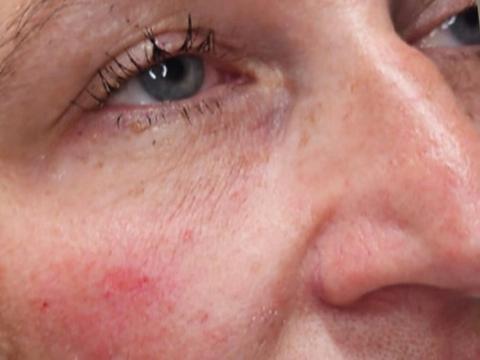
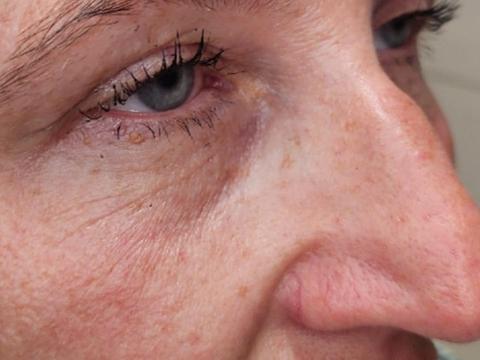
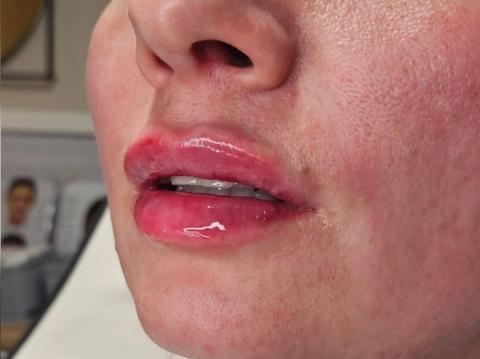
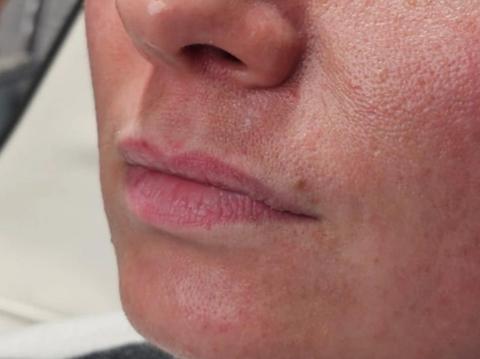
Before & After
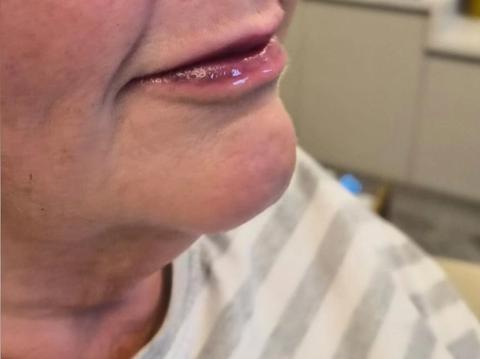
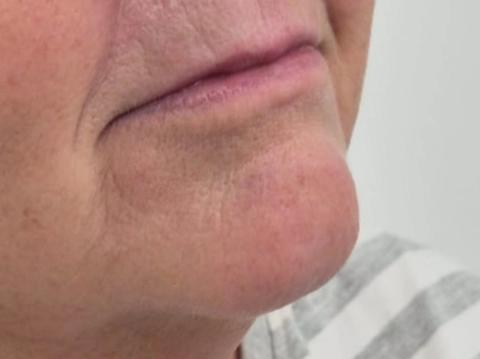
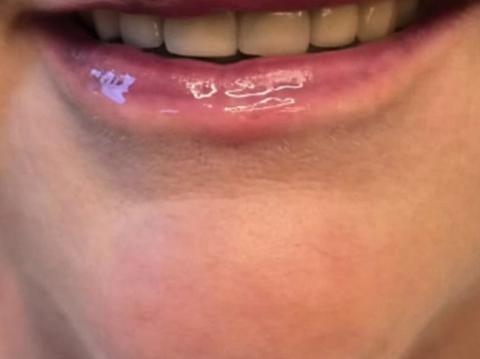
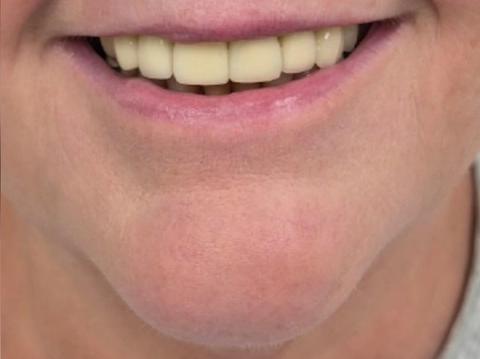
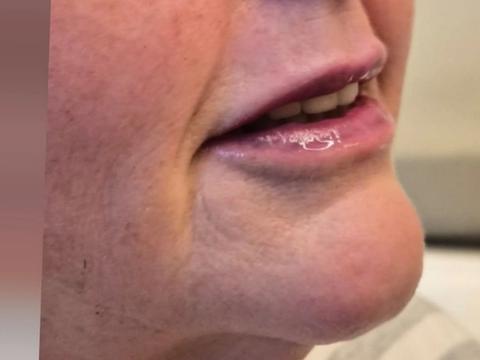
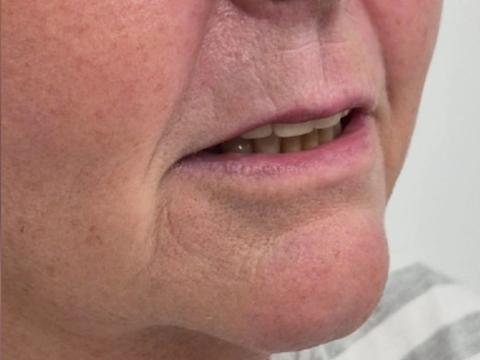
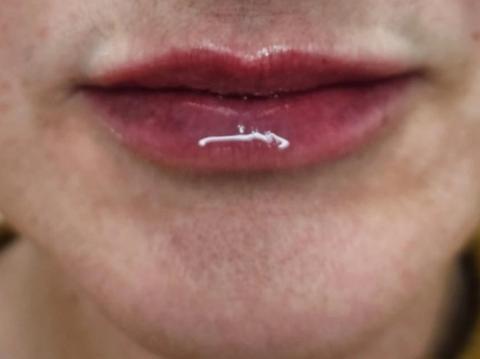
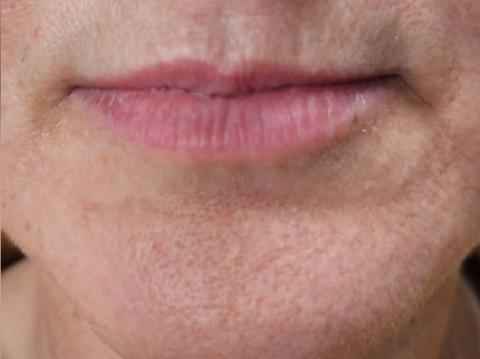
Why Choose a Registered Nurse Prescriber?
Because your safety means everything to me.
- Over 17 years of NHS experience
- A degree in adult nursing
- A Master's in Advanced Clinical Practice
- Registered as a non-medical prescriber with a V300 qualification
- Level 7 qualification in History Taking and Physical Examination for Advancing Practice
What Happens During Treatment
Your appointment begins with a consultation to discuss your goals, review your medical history and confirm the best approach for your face and desired result. We'll explain options, expected outcomes and potential risks, and obtain informed consent. With your permission, we will take standardised photographs for your confidential record. The treatment area is cleansed and disinfected, and topical numbing cream may be applied. We may also use filler containing local anaesthetic to improve comfort. The product is then placed carefully using a fine needle or cannula, depending on the area and plan. We'll check symmetry and tissue response as we go. Before you leave, we'll review aftercare and provide a follow-up plan.
Expected Results
Results are usually visible immediately, with the final outcome becoming clearer once swelling settles over the first 2 weeks.
How long results may last: Dermal fillers are temporary: depending on the product, area treated and your metabolism, results often last around 6–18 months (sometimes longer or shorter). Repeat treatment may be considered when the effect gradually fades.
Downtime & Recovery
Downtime is usually minimal to moderate. Common short-term effects include redness, swelling, tenderness, bruising and temporary firmness or small lumps. Lip treatments often swell more than other areas. Most visible swelling settles within 2–7 days, though bruising can last longer. Makeup is usually fine the next day if the skin isn't broken.
Side Effects, Risks & Contraindications
Possible side effects
- Redness, swelling, tenderness and bruising
- Temporary firmness or small lumps
- Lip treatments often swell more than other areas
- Most visible swelling settles within 2–7 days, though bruising can last longer
Risks
- Bruising, prolonged swelling or asymmetry
- Overfilling or underfilling
- Lumps, nodules or migration of the product
- Infection, inflammatory reactions (including delayed swelling), scarring or skin discolouration
- Rare but serious risk of vascular occlusion, which can lead to skin injury and, very rarely, visual loss — urgent assessment is required for severe pain, blanching, mottling/colour change, blistering, worsening swelling, or any visual symptoms
Contraindications
- Pregnant or breastfeeding
- Active infection or inflammation in the treatment area
- Known hypersensitivity to any filler ingredient, including lidocaine where present
Aftercare
For the first 24–48 hours, avoid touching, rubbing or massaging the area unless we have specifically advised otherwise. Avoid strenuous exercise, alcohol, saunas/steam rooms and very hot showers for 24–48 hours to reduce swelling and bruising. Sleep on your back where possible for the first night and avoid pressure on the treated area. Avoid facials, dental work where possible (especially after lip/cheek treatments), and skin treatments such as microneedling, chemical peels or energy-based procedures on the treated area for 1–2 weeks. Use gentle skincare and daily SPF. Contact us urgently if you develop increasing pain, spreading redness/heat, discharge, significant colour change (white/grey/blue), blistering, or new visual symptoms. Seek emergency help immediately for any eye symptoms.
Pricing
| Lips — up to 1ml | £160 |
| Perioral Lines (Smoker's Lines) | £180 |
| Marionette Lines | £180 |
| Chin Filler | £180 |
| Nasolabial Folds | £180 |
| Cheeks — 1ml | £180 |
| Cheeks — 2ml | £340 |
| Jaw — 1ml | £180 |
| Jaw — 2ml | £340 |
| Temple Filler | £180 |
| Tear Trough Filler | £220 |
| Filler Package — 2ml | £340 |
| Follow-up / Review Consultation | £0 |
| Filler Package — 3ml | £480 |
| Filler Package — 4ml | £600 |
| Filler Package — 5ml | £730 |
| Filler Package — 6ml | £850 |
Consultations & Reviews
| Consultation | £30 |
Frequently Asked Questions
How long does an appointment for Dermal Fillers take?
60 minutes
Is there any downtime after Dermal Fillers?
Downtime is usually minimal to moderate. Common short-term effects include redness, swelling, tenderness, bruising and temporary firmness or small lumps. Lip treatments often swell more than other areas. Most visible swelling settles within 2–7 days, though bruising can last longer. Makeup is usually fine the next day if the skin isn't broken.
What results can I expect from Dermal Fillers?
Results are usually visible immediately, with the final outcome becoming clearer once swelling settles over the first 2 weeks.
How long do the results of Dermal Fillers last?
Dermal fillers are temporary: depending on the product, area treated and your metabolism, results often last around 6–18 months (sometimes longer or shorter). Repeat treatment may be considered when the effect gradually fades.
Results vary between individuals and cannot be guaranteed. All treatments are carried out only after a full consultation to confirm suitability, discuss risks, and obtain informed consent. Prescription-only treatments are prescribed solely following an individual clinical assessment by a qualified prescriber. The information on this website is for general guidance only and does not constitute medical advice — please contact us with any questions about a specific treatment.